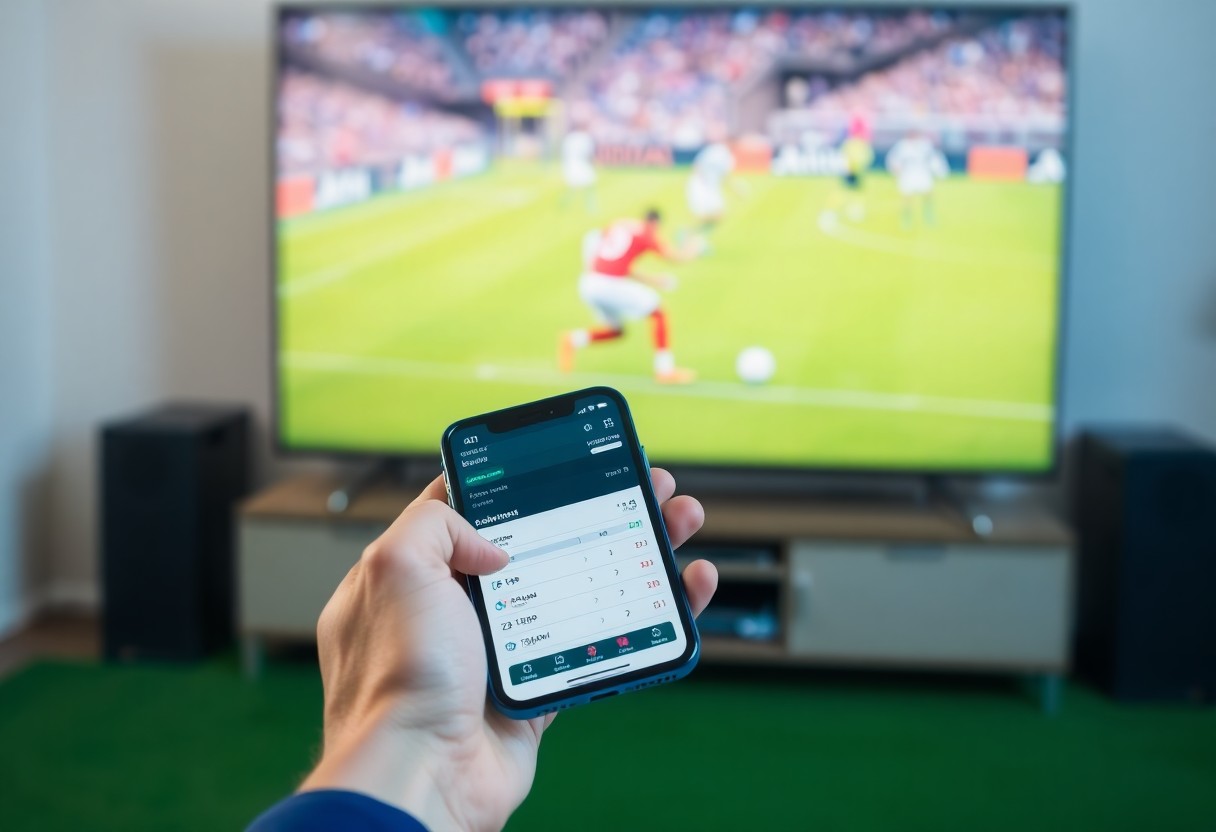
Why finding surebets quickly and reliably changes your arbitrage results
If you’re pursuing sports betting arbitrage, the ability to spot and act on “surebets” — price discrepancies across bookmakers that guarantee a profit — is the single most important skill. You can hunt these opportunities yourself, or you can rely on a surebet finder (an automated scanner). Each route affects how many bets you find, how accurate they are, the time you spend, and the risks you face from bookmakers. Understanding those differences helps you match method to goals and resources.
How an automated surebet finder works and what it gives you
Surebet finders scan markets across multiple bookmakers in real time, calculate arbitrage opportunities, and often include tools like stake calculators and alert systems. They typically offer:
- High scanning speed — they process thousands of odds feeds per minute, which humans can’t match.
- Continuous coverage — you get alerts around the clock, including obscure markets or small leagues you wouldn’t normally watch.
- Pre-calculated stakes and profit percentages — the software tells you how to split money across outcomes to lock in the edge.
- Filters and customization — you can set minimum profit thresholds, preferred bookmakers, and market types.
For many bettors, these features translate to more opportunities found and fewer math mistakes when staking. That said, automated tools are not perfect: they can generate false positives because of delayed feeds, API errors, or price changes between the scan and your bet placement. You still need to verify odds and act quickly.
When you might prefer manual searching over automation
Manual search means you are comparing odds yourself — through bookmaker sites, exchanges, or your own spreadsheets — and identifying mispricings. This approach remains useful and sometimes preferable if:
- You are targeting very specific, low-competition markets where a human can spot nuance that a scanner misses.
- You want to minimize subscription costs or avoid centralized tools that could expose your activity to detection.
- You are building experience and market intuition — manual work helps you learn price movements, market-making behavior, and which bookmakers are slow to adjust.
- You have a small, flexible bankroll and prefer to place occasional arbs carefully rather than chase volume.
Manual searching gives you control and can reduce reliance on third-party software, but it demands time, discipline, and the ability to calculate stakes and confirm liquidity under pressure. Speed is the biggest disadvantage — by the time you find an opportunity and log into all accounts, the odds may have already changed.
Practical trade-offs you should weigh before choosing a method
Choosing between a surebet finder and manual search is rarely an all-or-nothing decision. Instead, think in terms of trade-offs: speed vs. control, volume vs. selectivity, convenience vs. cost. Key factors to evaluate include:
- Time available: If you can dedicate many hours daily, manual searching can yield value and market insight. If you need passive scanning, automation wins.
- Budget: Quality surebet services charge recurring fees, while manual searching carries time costs and possibly one-off tools like odds comparison widgets or spreadsheets.
- Bookmaker footprint: Automation may be more visible to bookmakers; manual play can reduce patterns that trigger limits or account closures.
- Risk tolerance: Automation increases volume and potential profits but also increases exposure to operational errors (bad data, staking miscalculations). Manual searching reduces volume but may allow you to vet each arb more carefully.
- Technical comfort: Using scanners, APIs, and stake calculators requires some tech literacy. If you prefer low-tech workflows, manual methods might be simpler to manage.
Before you commit to either approach, map your goals: do you want steady, scalable returns, or selective, higher-confidence bets? How many accounts and markets can you realistically monitor? The answers will shape which method suits you.
Next, you’ll see a side-by-side comparison of speed, accuracy, cost, and bookmaker risk — plus concrete examples showing how a surebet finder and a manual search play out in real-time, so you can judge which approach fits your betting style.

Side-by-side comparison: speed, accuracy, cost, and bookmaker risk
To make a practical call between a surebet finder and manual searching, compare the methods across the operational axes that matter day-to-day:
- Speed: A good surebet finder detects and surfaces opportunities in seconds. That matters most in fast-moving markets (in-play soccer, live tennis). Manual search can take minutes to cross-check two or three books — which is often too slow for fleeting arbs.
- Accuracy: Scanners reduce human arithmetic errors by pre-calculating stakes and profit percentages. But they inherit feed errors: delayed odds, stale markets, or exchange latencies can create false positives. Manual bettors may be slower but can spot contextual factors (late lineup changes, market bias) that a scanner ignores.
- Cost: Surebet services run from modest monthly fees for entry-level tools to high-end enterprise plans. Expect to pay roughly $20–$100+/month depending on features. Manual searching is ‘free’ monetarily but expensive in time: if you value your time at $15–$50/hour, manual work quickly becomes costly.
- Bookmaker risk: Automation encourages volume. Placing many arbs rapidly, especially across the same accounts, increases the chance of limits and account attention. Manual search, if used sparingly and selectively, can be less patternable and therefore quieter from a bookmaker’s perspective.
- Scalability: Automation scales. If you want to move from a few dozen to hundreds of arbs per month, a scanner plus multiple accounts is the only practical path. Manual searching scales poorly unless you hire help — which adds cost and coordination headaches.
Neither method is universally superior — they simply excel at different priorities. If speed and volume are your goals, automation wins. If stealth, selectivity, and market intuition matter more, manual searching remains valuable.
Two real-world run-throughs: automated vs manual in live scenarios
Below are two concise, realistic examples that show how each method plays out under pressure.
Example A — Live tennis arb (fast market)
Scenario: A scanner flags an in-play cross-book discrepancy for a best-of-three match. Book A shows Player 1 at 2.05, Book B shows Player 2 at 2.05 — a classic lay-swap arb with a calculated profit of ~2.5% after fees.
- Automated workflow: The surebet finder alerts you at 12:34:05. You have pre-logged accounts and use the stake calculator: place $500 on Player 1 at 2.05 and $487.80 on Player 2 at 2.05 (approximate split) to lock ~2.45% profit. Bets placed by 12:34:25. Result: arb holds and you book profit.
- Failure mode: The scanner’s feed was 10 seconds behind Book B’s actual price (it moved to 1.95). By the time you place bets the implied profit flips to a small loss. Without manual re-check, automation can lead to mispriced staking.
- Manual workflow: You notice the same mismatch at 12:33:45 while browsing two accounts. It takes you 90–120 seconds to calculate stakes, log into the second bookmaker, and place bets. By 12:35:00 Book B has corrected odds to 1.95. Arb evaporates. Result: no bet placed, lost opportunity.
Example B — Pre-match soccer 1X2 arb (slower market, liquidity issues)
Scenario: Pre-match lines for a lower-division game show Book C offering Home win at 3.40 while Book D lists Away at 4.00 and Draw at 3.60. Scanner calculates an apparent 3.1% arb by combining draw + away vs. home liabilities.
- Automated workflow: The scanner highlights the arb and shows stake distribution. You attempt to place $1,000 across three selections, but Book D has low max stake on the Away market ($150) due to recent suspicious activity. Because you can’t match the required distribution, the effective profit drops and you are forced to either scale down to the bookmaker limits (smaller profit) or skip.
- Manual workflow: A manual searcher might see the scanner’s alert, immediately check each book’s available max stakes and market betting volume, and either adjust their staking plan or pass. The human advantage here is anticipating liquidity limits before committing large sums.
- Failure mode for both: If you place partially and one leg gets voided or limited post-placement, your exposure and potential loss can increase. A scanner that doesn’t surface max-stake constraints can mislead; manual checks prevent that.
These examples show typical trade-offs: automation converts fleeting speed into opportunities but depends on feed freshness and account readiness; manual work avoids some automation pitfalls by adding human judgement but loses in speed and volume. In practice, many successful arbers blend both: use a scanner for discovery, then manually verify critical details (max stakes, timing, recent market moves) before committing large sums.

Making a practical plan: testing, rules, and next steps
Decide on a test routine before committing significant bankroll. Run a short trial period (2–4 weeks) where you log every arb, stake size, bookmaker actions (limits, holds, closures), and net P&L. Use small stakes during this phase so you can observe how automation and manual checks perform under real conditions without large downside.
- Pick one reliable scanner with a trial or low-cost plan and two or three bookmaker accounts to start.
- Create simple entry rules: maximum exposure per arb, minimum guaranteed profit, and when to abort if a price moves.
- Combine tools: let a finder surface opportunities but always verify max stakes and market freshness manually for large bets.
- Track bookmaker responses and rotate accounts — pattern management is as important as stake sizing.
If you need a place to compare live odds and cross-check markets quickly, consider checking odds comparison sites such as OddsPortal to supplement your workflow. Above all, treat this as an operational system: iterate on rules, measure outcomes, and scale only after consistent small-win performance and account stability.
Frequently Asked Questions
Can I rely entirely on a surebet finder and never do manual checks?
Technically you can rely mainly on a surebet finder, but it’s risky to skip manual checks entirely. Feed delays, max-stake constraints, and rapid market moves can create false positives that cost you money. Best practice is to use a finder for discovery and still verify critical details (stakes, liquidity, recent news) before committing large amounts.
How do I reduce the chance of bookmakers limiting or closing my accounts?
Reduce detection by varying stake sizes, avoiding repetitive identical bet patterns, rotating through multiple bookmakers, and occasionally placing non-arb bets to mimic normal activity. Never stake amounts that consistently trigger max-stake flags, and pace your volume—automation can accelerate limits if used without caution.
Is sports arbitrage legal and taxed?
Legality depends on your jurisdiction—arbitrage itself is generally not illegal, but local gambling laws and taxation rules vary. Record all trades and consult local regulations or a tax professional to determine reporting and tax obligations for betting profits in your country.