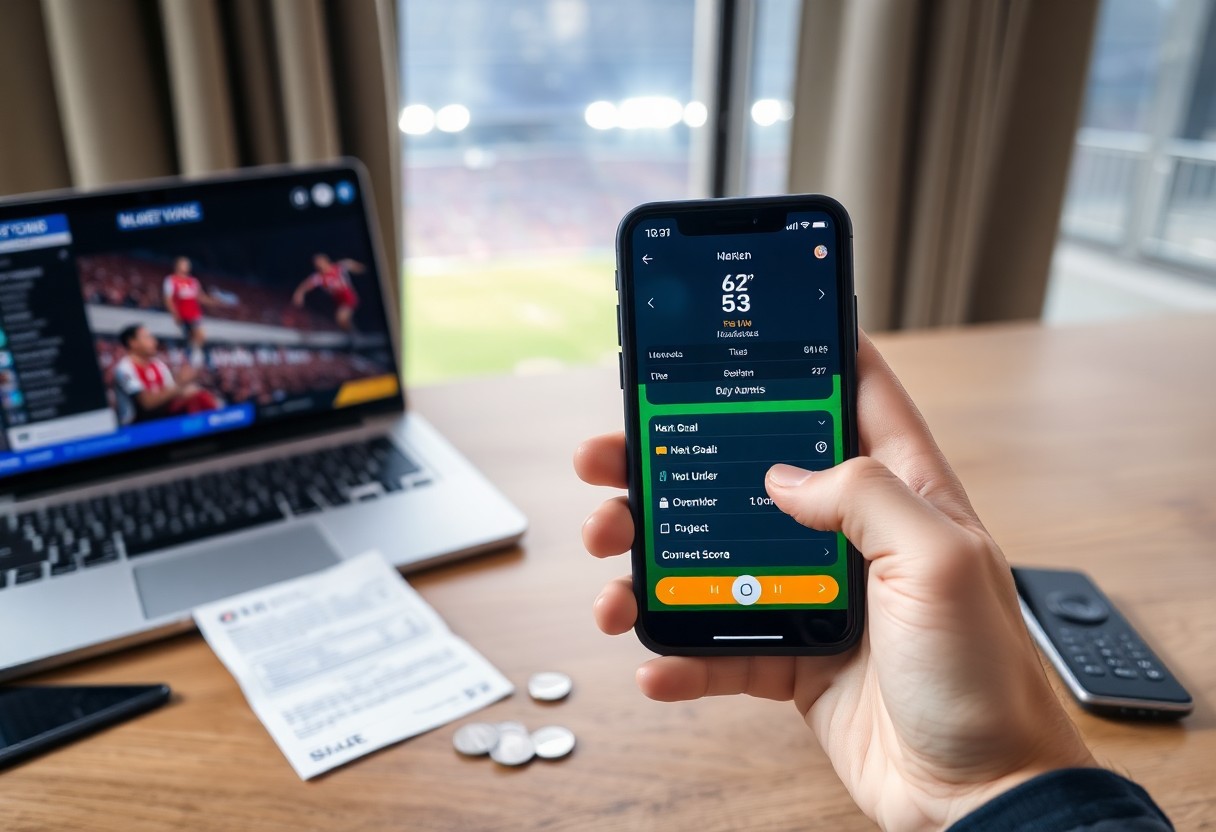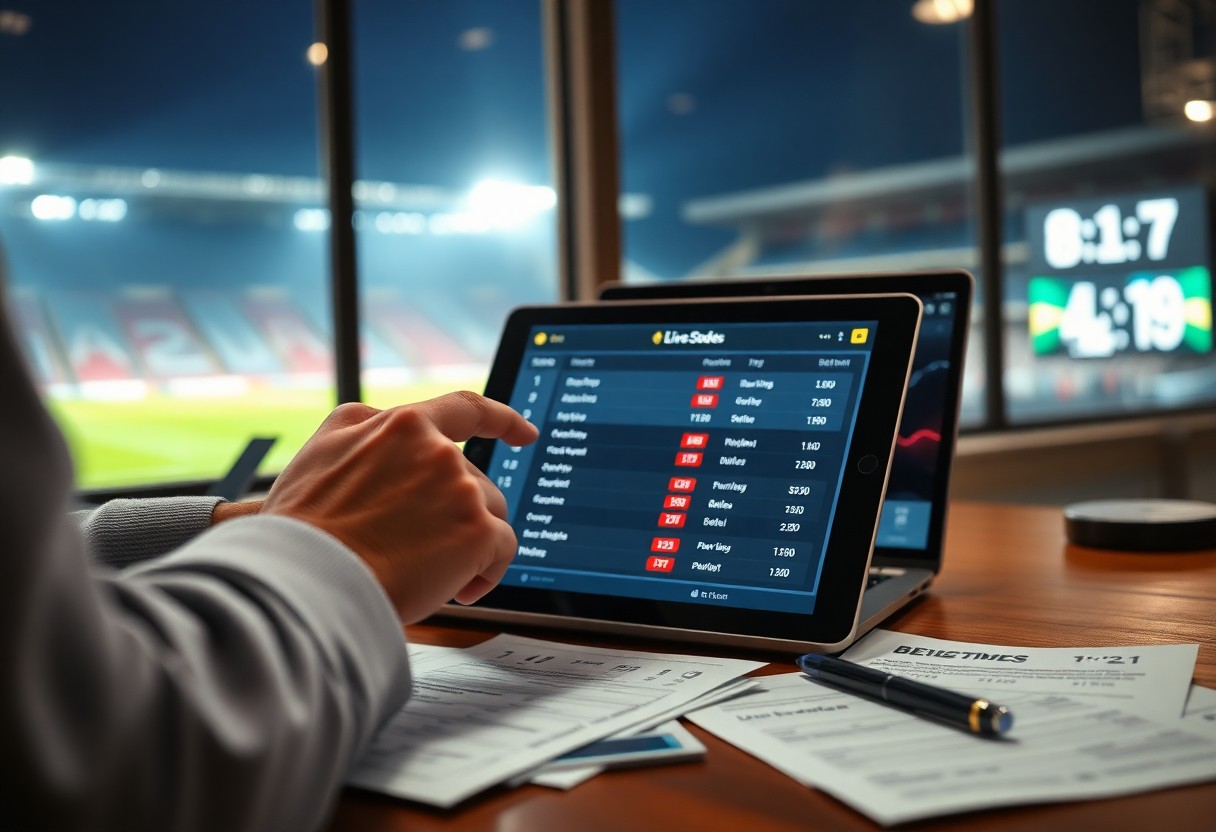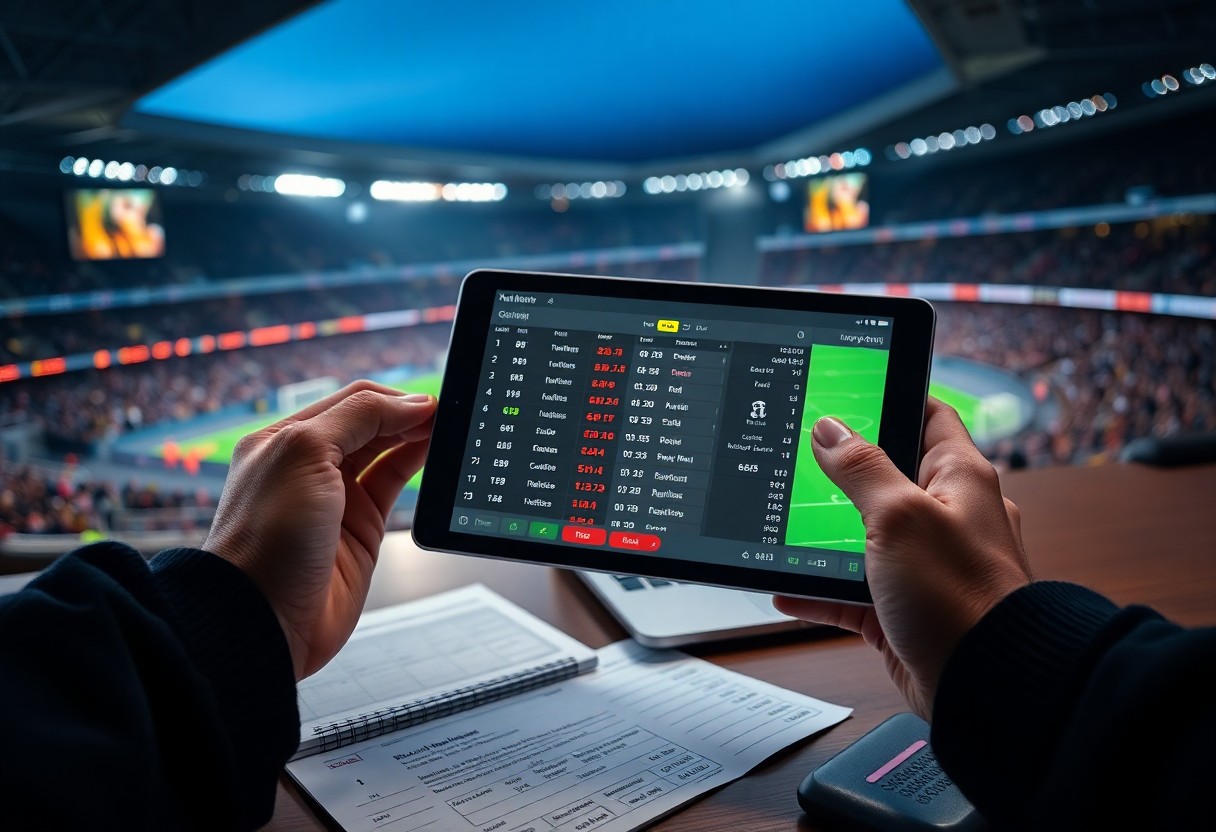
Why in-play surebets create opportunities and what you must respect
You already know that arbitrage relies on price differences between bookmakers. In-play (live) surebets are simply those discrepancies that appear while an event is unfolding. Because odds move quickly during play, you can find brief windows where two or more bookmakers disagree enough to guarantee a small profit no matter how the event finishes. That speed is what makes live arbing attractive — and what makes it risky if you aren’t prepared.
Live markets are affected by events on the pitch, court, or field: goals, injuries, momentum swings, and even referee decisions. Those micro-events change implied probabilities faster than pre-match markets, producing more frequent but shorter-lived arbitrage opportunities. You must respect two realities: firstly, latency and execution speed matter; secondly, bookmakers may react to suspicious patterns or to market movements in ways that can limit or void your bets. Your approach should therefore prioritize predictability, controlled stakes, and compliance with each bookmaker’s rules.
Essential safeguards and practical setup before you execute in-play trades
Preparing properly dramatically reduces operational risk. The most successful live arbers operate like small trading desks: they use rules, tools, and redundant checks to avoid mistakes that can turn a surebet into a loss. Below are the practical areas to set up before you hunt live opportunities.
Bankroll rules and conservative staking
You must treat live arbing as a risk-managed activity, not a series of “sure” wins. Volatility and canceled bets can reduce expected profit if you overcommit. Define a bankroll allocation specifically for live arbitrage, and use a fixed-per-bet or Kelly-derived fraction that reflects shorter execution windows and higher cancellation risk.
- Cap individual stake sizes (e.g., 0.5–2% of arb bankroll) to limit the impact of a voided or partially matched bet.
- Use proportional bankroll rules for correlated bets: if two legs are closely matched in risk, reduce stake proportionally.
- Keep a reserve fund to cover cashflow delays from bookmaker settlements and potential account holds.
Reliable software, feeds, and latency awareness
Human speed alone is rarely enough for consistent live arbing. Use reputable arbitrage scanners and real-time odds feeds to spot opportunities as they appear. But don’t treat software as infallible: understand its refresh intervals, ping times to bookmakers, and order execution features. Test your setup in low-risk sessions to measure the time between an alert and a confirmed matched bet.
- Prioritize tools that show timestamped odds and allow rapid stake calculation.
- Monitor network latency and have a backup internet connection if you trade frequently.
- Use multiple devices or screens to track differing bookmaker interfaces simultaneously.
Selecting markets and bookmakers with safer profiles
Not every sport or market is equally suitable for live arbing. Focus on markets with decent liquidity and transparent pricing — major football, tennis, and basketball lines typically give you clearer book movement. Also, prefer licensed, reputable bookmakers with predictable settlement policies. Avoid small, opaque books where cancellations and subjective voids are common.
- Specialize in a subset of sports and markets so you learn typical market behaviors and expected odds reactions to in-play events.
- Diversify across bookmakers to reduce exposure to a single operator’s limits or account action.
- Keep records of each bookmaker’s historical behavior (void rates, settlement times) to inform future risk assessments.
Compliance, record-keeping, and ethical boundaries
Operating safely also means staying within legal and contractual boundaries. Read and respect each bookmaker’s terms of service. Maintain clear records of matched bets, timestamps, and communications so you can dispute settlements if required. Avoid strategies that require deception (false personal details, identity sharing) — those expose you to account closures and legal risk.
With your bankroll rules, tech stack, market focus, and compliance measures in place, you’ll be equipped to identify live surebets with a realistic appreciation of both upside and operational risks. In the next section, you’ll learn step-by-step execution techniques, stake calculations for multi-leg live arbs, and real-time examples that show how to lock in profit while minimizing exposure.

Real-time execution workflow: how to act when a live surebet appears
When a live-arb alert fires, you need a compact, repeatable routine. Treat it like a trading checklist — speed matters, but so does discipline. Use the following workflow every time to reduce errors and keep outcomes predictable.
– Pause and verify (2–4 seconds). Confirm timestamps on the alert and on each bookmaker’s quote. Check the event clock and any recent micro-events (goal, substitution, injury). If a significant event happened in the last few seconds, skip the arb — odds often “snap back” after initial reaction.
– Order of execution. Place the bet that requires the smallest stake first (this typically is the side with the higher decimal odds) or the side where the bookmaker imposes the tightest limits. That minimizes your exposure if the second leg is rejected or odds change before you can place it.
– Use one-click betting and stake templates. Preload stakes for each bookmaker so you can wager with a single click. This reduces typing errors and saves precious time.
– Confirm matches immediately. After placing each leg, check the bet-status and grab the bet ID / confirmation number. If a leg is listed as “unmatched” or “pending”, decide instantly whether to cancel and retry or hedge elsewhere (see stake-handling below).
– Post-trade check. After all legs are matched, verify the recorded stakes and expected payouts. Take a screenshot or copy the bet references and the odds with timestamps. Log the trade in your tracker (time, event, odds, stakes, expected profit).
– If anything looks off, stop. Don’t try to “fix” a mismatched arb by deviating from your rules. Small mistakes compound quickly in live trading.
These steps produce predictable execution and make it much easier to contest settlements if a bookmaker later voids or delays a bet.
Stake calculations for multi-leg and correlated live arbs
Use a simple, reliable allocation formula based on implied probabilities. With decimal odds, the implied probability for each outcome is 1/odds. For N outcomes, check that the sum of implied probabilities is less than 1 (this is the arb condition). Then allocate your total stake (I) proportionally:
– stake_i = I * ((1 / odds_i) / sum_j(1 / odds_j))
This equalizes payouts across outcomes so you lock in the guaranteed return. Example (two-way):
– Odds A = 2.10, Odds B = 2.05. Implied = 0.47619 + 0.48780 = 0.96399 (Common in-play pitfalls and practical recovery techniques
Even with a flawless routine, live arbing presents recurring failure modes. Know them ahead of time and have simple recovery rules.
– Odds drift between clicks. If the second leg’s odds shift before you place it, re-run the implied sum. If sum_implied ≥ 1, abort; don’t chase the arb by increasing stakes.
– Bookmakers voiding or voiding selective legs. Immediately save documentation (screenshots with timestamps, bet IDs). If a void materially affects your result, contact support calmly and provide evidence. If disputes escalate, having a consistent record improves your odds of a satisfactory resolution.
– Red cards, injuries, or extreme correlation events. If an in-game incident makes both legs effectively the same bet (e.g., red card changes market structure), close the position on an exchange or accept a reduced stake—predefine loss-limits to avoid emotional decisions.
– Account intervention and limits. If a bookmaker limits you mid-session, stop using that account for the next few trades and move to backups. Rapid, repeated attempts to outwit limits invite closures; stick to steady, conservative sizing.
– Data feed errors or scanner bugs. If a scanner shows an impossible price or mislabels an event, treat it as suspect. Test new scanner rules in low-stake sessions before increasing exposure.
Recovery rules (keep them visible during trading):
– If matched 2 ticks, hedge on exchange or abort.
– If a leg is voided and you can’t hedge, accept the reserved loss only up to your pre-set cap and pause trading on that book.
– Always log incidents and review them weekly to refine which markets/bookmakers to avoid.
Operating like a small trading desk — disciplined workflow, robust stake math, and clear recovery rules — will let you exploit live surebets consistently while keeping operational risk under control. In the next part, we’ll walk through live examples and dispute-handling templates you can use immediately.

Worked examples and dispute-handling templates
Below are two concise live-arbing examples and a ready-to-use support message structure you can copy when contesting a voided or altered bet.
Example 1 — Two-way live moneyline (fast execution)
- Situation: Home 2.10, Away 2.05 (implied sum ≈ 0.964). Total stake target I = $200.
- Stakes (proportional): stake_home = 200 * (1/2.10) / 0.964 ≈ $98.82; stake_away ≈ $101.18.
- Execution order: place the smaller stake (home) first via one-click template; place away immediately. If second leg changes so implied ≥1, abort and cancel or hedge on an exchange.
- If second bet partially matches (e.g., 80%), recalc remaining exposure and lay on an exchange or accept only if expected profit after adjustments ≥ your minimum threshold.
Example 2 — Correlated markets (handicap + total)
- Situation: Asian handicap and total goals show an arb only if treated independently, but outcomes are correlated (red card risk, goal timing).
- Approach: apply a conservative haircut (e.g., 20%) to nominal stakes and reduce position size until you have historical comfort with that exact market pairing.
- Fail-safe: predefine “abort” triggers — large in-game events, odds swings >3 ticks, or bookmaker latency — and move to exchange hedges rather than increasing exposure.
Dispute-handling template (support message)
- Subject: Dispute — Bet ID [ID] on [event] at [time]
- Body (concise): I placed a bet with reference [Bet ID] on [market] at [odds] timestamped [time]. The bookmaker later voided/altered the bet. Attached are screenshots showing odds, timestamps, and confirmation numbers. Please review and advise why the bet was voided and whether it can be reinstated. Thank you — [Your name, account ID].
- Attach: Screenshots (confirmation page), event feed snapshot, and your trading log entry for that arb.
Operational perspective and next steps
Successful live arbing is less about finding “perfect” odds and more about disciplined process, measured sizing, and durable record-keeping. Keep refining templates, run low-stake practice sessions after any scanner update, and rotate accounts to reduce exposure to bookmaker intervention. For practical reference on using exchanges as hedging tools, see Betfair Exchange.
Frequently Asked Questions
What if one leg of a live arb is only partially matched?
Recalculate exposure immediately. If the matched percentage is above your pre-set threshold (e.g., ≥90%), adjust stakes or hedge the shortfall on an exchange. If below threshold, abort the trade and, where possible, cancel the unmatched portion—follow your pre-defined minimum-match rule to avoid emotional ad-hoc fixes.
How do I respond when a bookmaker limits or restricts my account mid-session?
Stop using that bookmaker for the current session, move to backup accounts, and reduce stakes overall. Log the restriction (time, last bets, markets). Avoid aggressive attempts to circumvent limits; instead, diversify books and lower profile by mixing bet sizes and markets.
Can I rely on exchanges to always hedge a failed leg?
Exchanges are valuable safety valves but are not guaranteed: liquidity can be thin on minor markets, and commissions affect profitability. Predefine small exchange stake templates and account for commission in your math. Treat the exchange as an emergency tool, not a universal fix.