This guide explains the live-betting formats that can instantly alter a football game’s outcome, focusing on momentum-shifting options, the high-risk opportunities that carry rapid losses as well as gains, and the timing and market awareness required to exploit them responsibly while managing volatility.
Understanding Live Bets
In-play bets are wagers placed after kickoff on markets like next goal, next card, scorelines by minute segments, and micro-markets for corners or bookings. Operators refresh odds multiple times per minute and provide tools such as cash-out and instant hedges. Sharp traders exploit short-term inefficiencies created by substitutions, set pieces, and tactical shifts, reacting within seconds to capture value.
Importance in Football Matches
Single events can flip a match’s probabilities in minutes: a 60th-minute red card or a conceded penalty often moves implied win chances by tens of percentage points. Live betting permits locking profits, hedging pre-match stakes, or backing blown-out favorites when odds spike; effective in-play play requires rapid judgment, momentum reading, and disciplined staking to manage sudden swings.
Deeper analysis relies on live metrics like expected goals (xG) and event timing-conceding a penalty typically adds about 0.6-0.8 xG, and substitutions after the 70th minute can raise goal tempo by roughly 20-30%. Market-makers price these shifts quickly, so exploiting them demands low-latency feeds, decisive sizing, and clear stop-loss rules.
Top Types of Live Bets
| Match Result Bets | Wagers on home/draw/away that swing fast after events like a red card or late substitution. |
| Goal Scorer Bets | Market for anytime, first/last or next scorer; substitutes and penalties reshape odds instantly. |
| Over/Under Bets | Lines such as 2.5 goals adjust as tempo, xG and stoppage time change the match profile. |
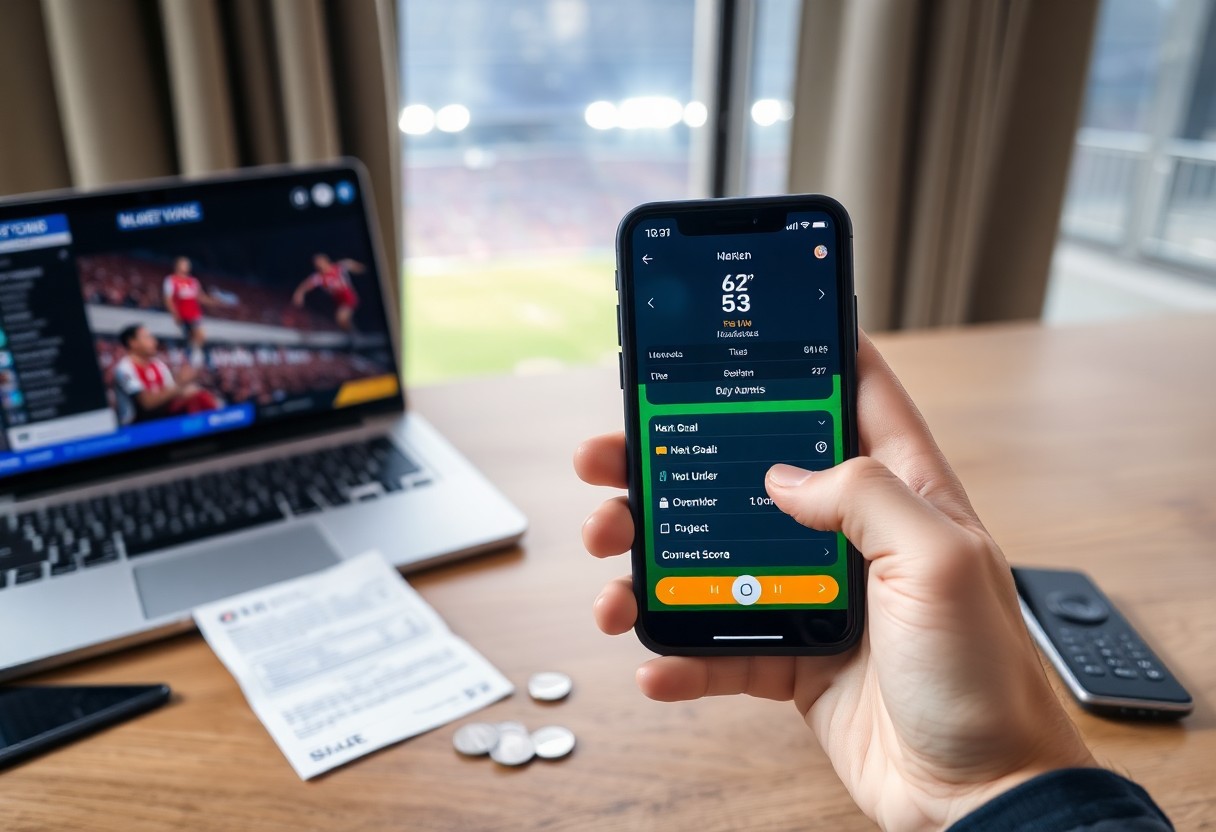
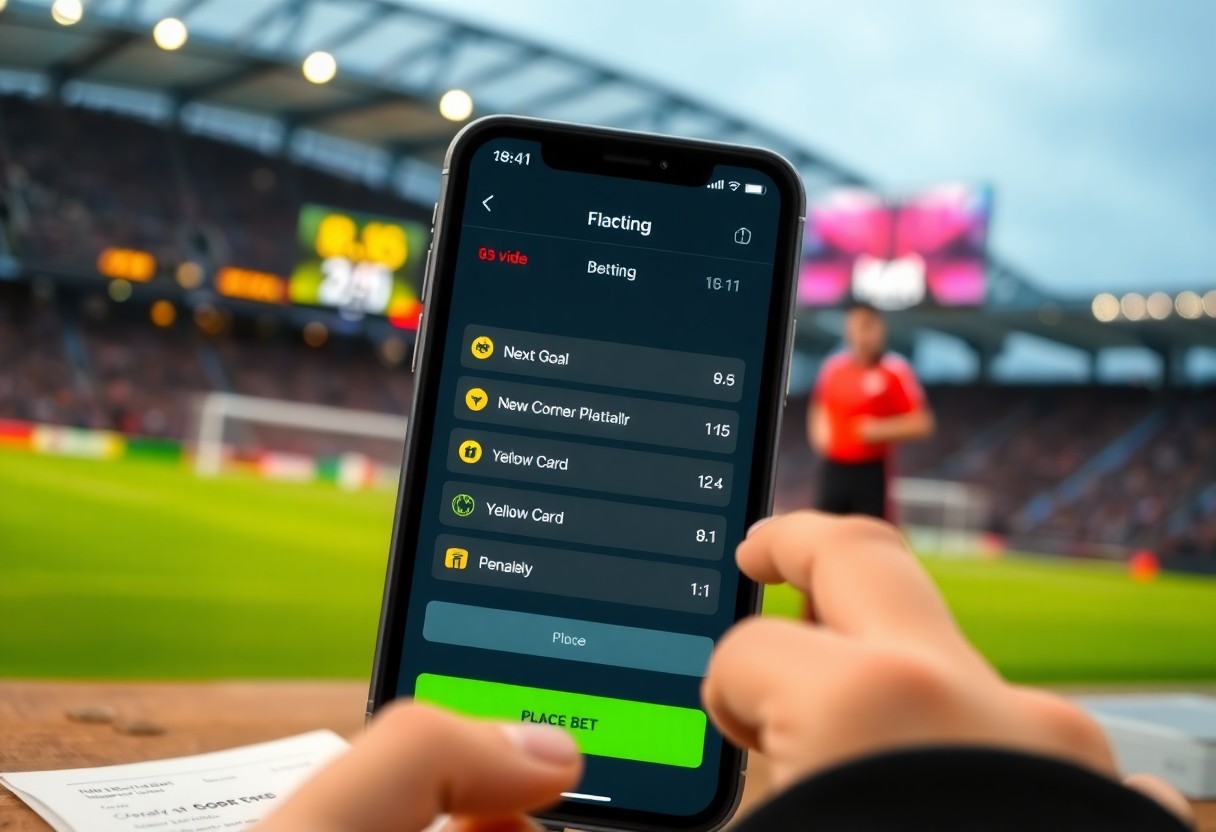
| Next Goal Bets | Short-window bets that exploit momentum after corners, turnovers or tactical resets. |
| Corner Bets | Next corner or total corners per half react to attacking intent, wing dominance and substitutions. |
- Match Result
- Goal Scorer
- Over/Under
- Next Goal
- Corner
Match Result Bets
After a red card or late tactical switch, live Match Result odds can flip from 1.6 to 4.0 within 10-15 minutes; backing the adjusted favourite after a sustained 6+ minute spell of pressure often offers value, while hedging on a draw can protect stake when the game opens up.
Goal Scorer Bets
Goal Scorer Bets like anytime or next scorer spike when a high-intensity substitute enters or a team wins a penalty; odds for a fresh forward can jump to 3.0-5.0 in the first 10 minutes after sub, creating short windows to exploit.
Use live metrics-shots in box, touch maps, and set-piece assignments-to gauge likelihood: if a substitute has 2 touches in the box within five minutes and team is on 4 shots in ten minutes, implied chance rises sharply; value appears when bookmakers lag behind visible momentum.
Over/Under Bets
Over/Under Bets (commonly 2.5) shift with tempo, injuries, and stoppage time; a match with 1.2 xG in first 30 minutes often sees over odds shorten after sustained attacks, while a defensive lockdown reduces over probability rapidly.
Monitor xG per 15-minute segments and shots-on-target rate: for example, two teams combining for 1.0 xG in the opening 20 minutes typically push live probability of >2.5 from ~35% toward 50% if pressure stays constant; factor substitutions that increase attacking intent.
Next Goal Bets
Next Goal Bets reward quick reads on momentum-after a corner sequence or a keeper error the market can swing; backing a side that has registered 3 shots in the last 8 minutes often yields favorable live odds versus pre-match prices.
Apply short-term indicators: consecutive corners, possession in final third, and recent player fatigue. Traders often size stakes small and hedge once the next-goal market moves; implied probabilities can double in under five minutes when pressure sequences persist.
Corner Bets
Corner Bets (next corner or totals) respond to wing play and attacking substitutions; teams averaging 6.2 corners per match will show predictable late-game corner frequency if trailing, so look for line drift when a side pushes for an equaliser.
Track corners per 10-minute windows and set-piece tendencies-if a team has three corners in the last seven minutes, live odds for the next corner shorten dramatically; Thou size stakes against referee patterns, venue wind, and last-10-minute corner rates when deciding entry.
Tips for Successful Live Betting
Track momentum metrics and bet with a clear bankroll plan: use fixed stakes of 1-3% per live wager, prioritize markets you model (like match result and next goal), and watch how odds shift after key events. Log each trade and target a minimum edge of ~3-5% before committing. Any disciplined approach compounds gains while limiting large drawdowns.
- Prioritize fast markets (next goal, corner, red card) for quick reaction plays
- Use scoreline and possession thresholds (e.g., possession <40% for 15+ mins) as triggers
- Set automatic alerts for substitutions, injuries and VAR stoppages
- Limit exposure: no more than 10% of bankroll active across concurrent live bets
Understanding Team Dynamics
Assess substitutions, formation shifts (for example, a switch from 4-3-3 to 4-2-3-1) and player fatigue: teams making two attacking subs after the 60th minute increase shot rates by roughly 18-25% in many leagues. Analyze individual form-players averaging >0.20 xG/90 are likelier to create decisive moments-and use those patterns to inform team dynamics based live wagers.
Monitoring In-Game Events
Prioritize events that change game state: a red card often swings win probability by 15-25 percentage points, multiple corners within 10 minutes raise scoring likelihood, and sudden weather shifts or VAR checks can stall momentum. Watch live xG, shot maps and stoppage length to catch value before bookmakers fully react.
For example, if a home side concedes three corners in 12 minutes while their possession falls below 45%, markets for the opponent’s next goal typically shorten quickly; snapping up a sub-2.00 price during that window can yield value. Use fast data feeds and set threshold alerts to act within seconds of these patterns emerging.
Adjusting Betting Strategies
Scale stakes dynamically: move from 1% to 3-5% of bankroll only when a clear statistical edge appears after events like a red card or collapse. Hedge when exposure exceeds 5% of bankroll and prefer markets with low latency to reduce slippage; record ROI by market to stop playing low-expectancy lines.
Apply simple rules: cut stake size by 50% after three straight losses, increase stake by 25% after two consecutive wins only if edge persists, and maintain a trading log with time-to-react metrics-this disciplined adjustment prevents emotional escalation and preserves capital for high-value opportunities like favorable live betting scenarios.
Step-by-Step Guide to Placing Live Bets
Streamline the live-betting process: confirm your sportsbook’s in-play feed and limits, watch key metrics (xG, shots on target, substitutions), then act when odds skew in your favor. Odds can update every 1-3 seconds and events like a red card can swing match-win lines by 20-60% in under a minute, so prioritize low latency and a clear staking plan.
| Quick live-bet checklist | |
| Selecting a Sportsbook | Pick licensed sites with live streaming, in-play markets, transparent limits, fast odds refresh (aim for <500 ms) and clear cash-out rules. |
| Analyzing Real-Time Data | Combine xG, shots, possession and the odds ladder; a shot raising xG from 0.05 to 0.30 typically signals immediate market movement. |
| Placing Your Bet | Predefine stake (1-3% bankroll), use quick-bet or one-click, set cash-out thresholds and execute within 10-30 seconds of key events. |
Selecting a Sportsbook
Choose a regulated operator with reliable in-play streaming, comprehensive live markets and clear bet limits; practical benchmarks include odds refresh every 1-3 seconds, minimum stakes as low as €0.10 and responsive support-these reduce execution risk when markets swing after substitutions or cards.
Analyzing Real-Time Data
Prioritize xG, shots on target, corners and the live odds ladder: for example, a team’s xG jump from 0.05 to 0.30 after a clear chance usually precedes a rapid odds shift, so cross-reference stats with the video feed before committing.
Go deeper by tracking short-term trends-shots/possession in the last 5-10 minutes and player fatigue indicators. If a trailing side fires three shots on target in five minutes, markets often reduce opposing-win probability by 25-40%, creating value entry points for next-goal or match-result bets.
Placing Your Bet
Set a staking rule (commonly 1-3% of bankroll) and use quick-bet features or preloaded bet slips to cut execution time; many profitable live opportunities require placing wagers within 10-30 seconds after an event to capture favorable odds.
Execute with discipline: use limit orders where available, split stakes across correlated markets (e.g., next-goal + match-winner) and apply immediate cash-out rules if odds reverse; in practice, allocate 2% on high-variance next-goal bets and 1% on late match-winner plays to manage volatility.
Factors Influencing Live Bets
Multiple variables shift in-play markets within minutes: referee decisions, substitutions, weather and momentum swings often trigger immediate price moves. Sharp traders watch live metrics like xG, possession and shots on target to capitalize on short-term edges, while volatility spikes after events such as red cards or injuries. Perceiving these signals early lets bettors size stakes before lines adjust.
- Player Performance
- Game Conditions
- Team Strategies
- Refereeing Decisions
- Injuries/Substitutions
- Momentum
Player Performance
Individual output changes win probabilities fast: a forward registering high xG and multiple touches in the box raises short-term scoring odds, while a goalkeeper with low save percentage can inflate opponent shot-conversion expectations. Betting reacts to metrics – shots on target, touches in penalty area and sprint distance – and substitutions can remove or introduce these acute threats within five to ten minutes.
Game Conditions
Weather and pitch state alter tactical effectiveness: heavy rain or a waterlogged surface tends to favor direct football and set-pieces, shifting goal totals and corner markets; strong wind (e.g., >20 km/h) disrupts long passes and crosses. Bookmakers often adjust totals and margins quickly when conditions change before or during the first half.
Deeper effects include ball control reduction, slower buildup and more long balls, which commonly increase aerial duels and decrease precise passing sequences; consequently, markets like total corners or set-piece goals can move by ±0.5 goals and trigger opportunistic live bets within 10-20 minutes.
Team Strategies
Tactical shifts drive immediate market moves: switching from a possession-based 4-3-3 to a counter-attacking 4-2-3-1 reduces sustained pressure and lowers expected goals conceded, while introducing an extra forward raises immediate goal probability. Bettors track formation changes, pressing intensity and role swaps to predict who will create the next chance.
When managers make reactive changes after concessions – for example, adding a defensive midfielder to protect a lead – bookmakers shorten spaces for through-balls and lower over/under lines; conversely, throwing on an additional striker in the last 15 minutes often provokes rapid increases in next-goal and total goals odds, creating short windows for value plays.
Pros and Cons of Live Betting
From a tactical standpoint, live betting offers immediate opportunities – odds can shift every 1-5 seconds after events like goals or red cards, which often change win probability by roughly 15-30 percentage points. That volatility creates value for quick, informed decisions but also amplifies losses from impulse plays; disciplined staking and latency awareness separate profitable live bettors from those who quickly deplete bankrolls.
| Pros | Cons |
|---|---|
| Ability to react to momentum swings and new information | Odds move rapidly, making execution and timing critical |
| Opportunities to hedge pre-match positions in-play | Higher bookmaker margins on fast-moving lines |
| Access to specialized markets (next goal, corners, cards) | Latency or platform delays can erase perceived value |
| Can exploit bookmaker pricing errors after key events | Emotional/reactive betting increases stake frequency |
| Smaller wagers can compound into consistent gains with edge | Small losses accumulate quickly without strict limits |
| Use live stats and tracker feeds to inform choices | Data overload may lead to poor decisions under time pressure |
| Good for advanced strategies like scalping or cash-out | Cash-out options often reduce expected value |
| Engaging for fans who follow tactical changes | Can encourage risky behavior in inexperienced bettors |
| Potential for favorable pricing in niche leagues | Lower-liquidity matches see volatile, unreliable markets |
| Immediate feedback helps refine models and instincts | Requires constant attention; time-consuming and mentally taxing |
Advantages of Live Betting
Traders can capture fleeting value by reacting to events: a team receiving a red card often sees its win probability drop by 15-30 percentage points, creating clear live bets. Combining live stats, heatmaps and quick model updates allows bettors to exploit mispriced lines, hedge earlier wagers, and use small, frequent stakes to compound gains while limiting exposure through disciplined stop-loss sizing.
Risks and Disadvantages
Rapid odds movement and platform latency are the main hazards; a delay of just a few seconds can turn a perceived +150 value into -120, eroding expected returns. Pressure to act encourages impulsive bets, and bookmakers typically widen margins on in-play markets, so even technically correct bets can be less profitable without tight execution and rigid bankroll controls.
Further, live betting magnifies behavioral risks: chasing losses after a swing or increasing stakes during streaks often leads to larger drawdowns. Practical countermeasures include pre-set stake limits, using markets with higher liquidity, and logging every live trade-data shows disciplined tracking reduces reckless live wagering and preserves long-term bankroll stability.
Conclusion
Upon reflecting on live in-play markets, understanding next-goal, handicap swings, corner and card lines, and time-limited props shows how swiftly odds and match dynamics shift. Skilled bettors combine live data, situational awareness and strict bankroll rules to exploit momentum changes while managing risk. Education, practiced timing and discipline turn short-term opportunities into consistent edge rather than impulsive speculation.
FAQ
Q: Which live bet types most often swing a football match in minutes?
A: Markets that resolve quickly react fastest to momentum shifts: “Next Goal” and “Next Team to Score” move instantly after chances, substitutions or a defensive error; short-interval goal markets (goals in the next 5-15 minutes) spike during high-pressure periods; penalty/red card markets can alter odds dramatically the moment an incident is announced; and “Next Corner” or corners in a short window lift suddenly when one team presses. These markets are volatile because a single event-missed tackle, VAR decision, set-piece-changes probability immediately, producing big price swings and fast outcomes.
Q: How should I approach betting the Next Goal and short-interval goal markets in-play?
A: Prioritize timing and discipline: wait for clear momentum signals (sustained pressure, fresh attacking substitution, numerical advantage) and use small, defined stakes because volatility is high. Monitor live xG, shots on target and possession rather than emotions; set entry and exit rules-target odds to take or a cash-out threshold-and respect them. Consider hedging immediately if a bet is suddenly threatened, and avoid chasing losses after a single event. Use multiple bookmakers to find best available prices and accept that liquidity can dry up on niche short-window lines.
Q: What are the specific risks with card/penalty and corner markets, and how do I manage them?
A: Card and penalty markets are driven by referee interpretation and can be unpredictable; data feeds and bookmaker reaction may lag, creating price spikes you can’t exploit reliably. Corner markets are influenced by tactical shifts and can swing when a team resorts to long balls or bench changes. Manage risk by staking conservatively, checking referee history and team tendencies pre-match, avoiding markets with low market depth, using cash-out or opposite small hedge bets when odds move unfavorably, and keeping fast internet and multiple accounts to reduce latency and access better liquidity.